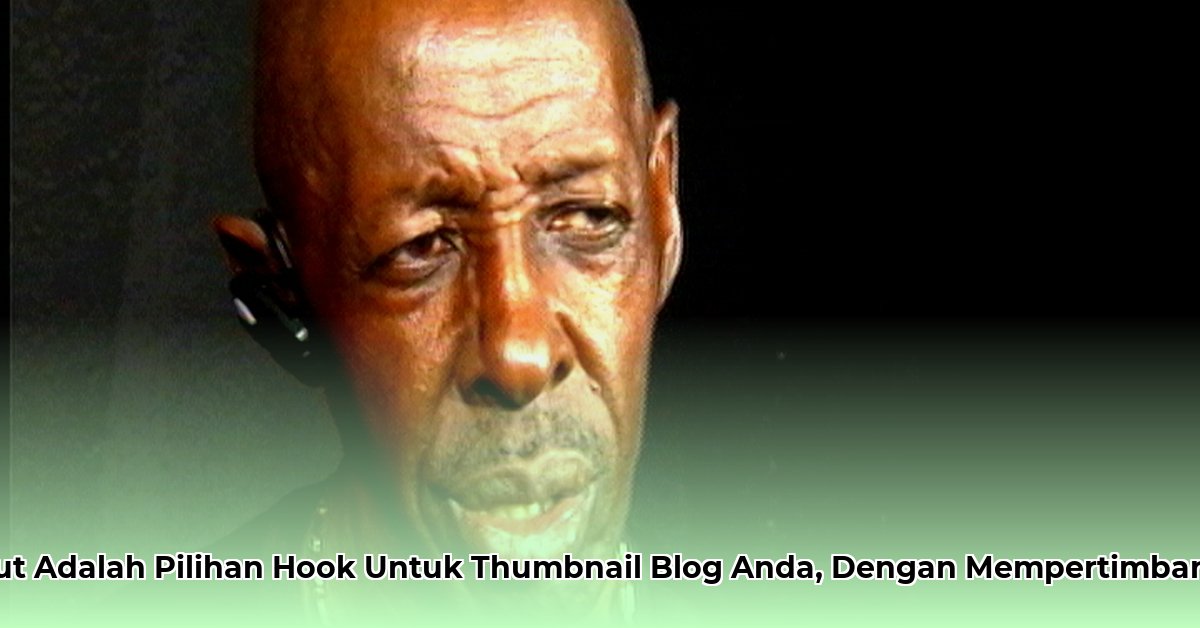
Melvin "Little Melvin" Williams. That name echoes through Baltimore's streets, conjuring images of a dark underworld and, for many, the sharp portrayal of "The Deacon" in HBO's The Wire. Stepping away from fictional drama, the question arises: what about the real man, and what was melvin williams net worth? Let's dive into the complicated life lived on opposite sides of the law. Learn more about related figures, such as Bobby Ray Inman.
From Street King to Screen Star: The Dichotomy of Melvin Williams' Life
Williams' journey is a study in contrasts. He became a major drug kingpin in Baltimore, amassing wealth likely in the millions, through heroin trafficking and shaping baltimore drug trade routes. But his biography is unlike standard rags-to-riches stories. His life took a surprising turn involving community work and, eventually, a role on a groundbreaking television show dealing with baltimore crime statistics.
This exceptional transformation raises crucial questions. How does someone tied to such destructive activities change course so drastically? How did his dark past influence his actions later in life, influencing his entertainment career?
Deciphering a Kingpin's Wealth: The Elusive Melvin Williams Net Worth
Determining the exact melvin williams net worth is akin to capturing smoke. While reports suggest a wealth of around $5 million, solid evidence remains elusive. The clandestine nature of his former business greatly contributes to this uncertainty. Standard financial tracking doesn't apply to someone whose income stemmed from ilicit drug dealing.
One report points to tax assessments totaling $425,055, but that likely represents only a fraction of his true holdings. Hidden assets, offshore accounts, and large cash transactions probably played a significant role in his financial dealings. Was his real net worth truly in the millions, far surpassing the reported amount? The true extent of his wealth may forever remain a mystery.
Redemption or a New Act?: "The Wire" and Melvin Williams' Later Life
Williams' role in The Wire marks a pivotal point in his narrative. The show, praised for its realistic depiction of drug dealing and its societal consequences, cast Williams as "The Deacon," a character supposedly inspired by his past. This offered him a platform to share his perspective and enrich a story that resonated deeply, addressing drug trade consequences.
His community work extended far beyond the screen. After his release from prison, Williams dedicated himself to community service, using his experiences to deter young people from following the same path. How significant was his impact as he turned his life around, steering youth away from crime? This question remains open for debate and personal reflection, highlighting drug prevention programs.
The Lasting Impact of Melvin Williams: A Complex Legacy
Melvin Williams’s life presents a fascinating case study, shedding light on the devastating consequences of the illegal drug trade and the potential for rehabilitation and the need for criminal justice reform. His impact on the Baltimore community sparks ongoing discussions and debates, revealing complexities of societal issues.
Understanding the overall impact of Melvin Williams requires looking at both sides of his life: the drug lord and the community advocate. Examining his influence during his time in the drug trade and his subsequent redemption efforts provides a deeper understanding of his multifaceted life, exploring baltimore social dynamics. Did he truly atone for his past actions, achieving genuine redemption? Or did "Little Melvin" always remain beneath the surface, just under the veneer of change? The answers to these questions are complex and varied, reflecting the multifaceted nature of his life.
Melvin Williams' Transformative Community Impact: From Kingpin to Advocate
Key Insights:
- Melvin transitioned from a significant Baltimore drug trafficker to a community activist and actor in "The Wire," showing a path toward personal transformation.
- His life experiences inspired characters on "The Wire," illustrating the influence of real-life narratives on the show’s authentic portrayal of Baltimore life.
- Williams died on December 3, 2015, leaving behind a complex legacy blending crime with efforts towards redemption.
Melvin Williams: Beyond the Kingpin Label
Melvin Williams' legacy extends beyond the title of drug kingpin; he became a symbol of personal transformation, reflecting baltimore city history. His journey from Baltimore’s streets to HBO's "The Wire" is remarkably impactful. Did you know that his real-life experiences directly shaped storylines within "The Wire," adding authenticity?
Conflicting reports surround Williams' birthdate, emphasizing the importance of distinguishing him from other figures sharing the same name, such as the football player. Williams' true narrative is profoundly more compelling than mere dates.
The Wire and the Power of Realism
In what ways did Williams' history influence his role in "The Wire," contributing to television history and challenging narrative conventions? His first-hand knowledge of the drug trade and Baltimore's streets offered authentic inspiration for the character of D'Avon Barksdale, lending gritty realism that resonated with audiences, influencing television show authenticity.
Melvin Williams Community Activism Details
While the specifics surrounding melvin williams community activism details remain somewhat vague, his commitment to community improvement after serving time for his crimes is undeniable. Although difficult to quantify precisely, his efforts towards rehabilitation are noteworthy and showcase baltimore community initiatives. His story demonstrates the possibility of personal growth and change, altering life narratives.
Legacy: A Testament to Transformation
Williams' story challenges viewers to look beyond past mistakes, showcasing the potential for redemption and the power of community engagement, and how personal growth impacts societal perceptions. While his criminal past cannot be overlooked, his later life serves as a testament to the possibility of positive change and reform, highlighting the human capacity for change. He passed away from cancer on December 3, 2015, according to @ghanafuo.com.